
Can you imagine learning in a language you don’t understand?
According to UNESCO that’s the reality for 40% of children worldwide. But there is an answer - Mother Tongue Based Multilingual Education (MTB MLE). International Network for Development (INfD) has been at the forefront of advocating for MTB MLE for over 20 years. We work with communities, governments, NGOs and international organisations to develop MTB MLE projects.
What is Mother Tongue Based Multilingual Education?
For many children from minority language communities, schooling takes place in an unknown language creating a challenging learning environment.
Mother Tongue Based Multilingual Education begins instruction in the mother tongue, the language children are familiar with. Other languages are gradually introduced providing a bridge to on-going education in the dominant languages. The knowledge and skills learned in MT can easily be transferred to learning in other languages.
Children engaged in MTB MLE experience a more equitable and enjoyable educational experience, often achieving greater success.
Our story
International Network for Development has a long history of working with minority language communities developing and supporting mother tongue based multilingual education projects.
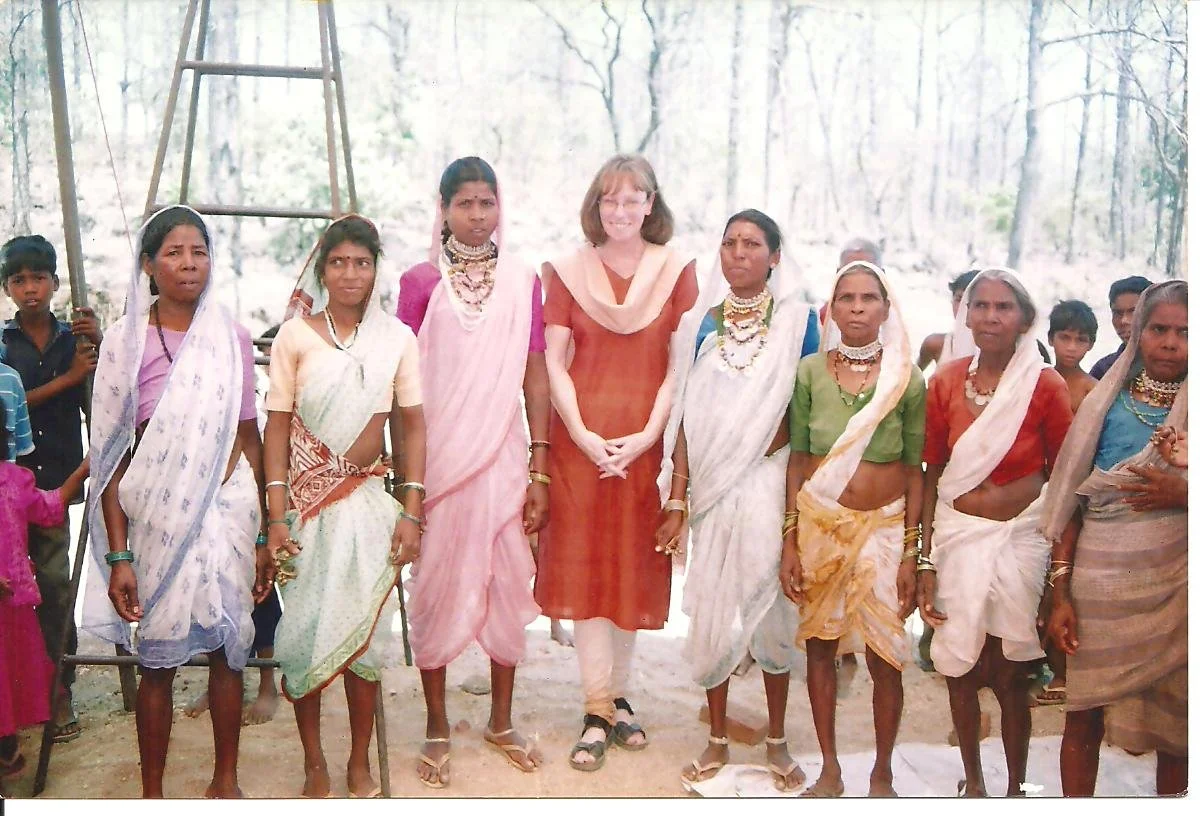
After several years of learning, training, planning and advocacy with communities, government, NGOs and organisations including UNESCO and UNICEF, our founder, Pam Mackenzie, launched the first programme in 2003. In partnership with the government of Andhra Pradesh in India, linguists from Hyderabad University and occasional consultants from SIL, INfD supported the Tribal Welfare Department to develop curricular in eight local languages.
Having heard about this work, Odisha asked for support, and again, together with international and local organisations and academic institutions, INfD worked with the government in ten local languages. At the same time, INfD supported Asha Kiran, an NGO working in a remote area of Odisha, to develop a further programme in two languages. Many other states such as Chhattisgarh, Madhya Pradesh, Assam and other NE regions showed an interest. Central government also became involved and individual officers were very supportive.
In 2008, INfD partnered with SIL and Save the Children in Bangladesh developing multilingual education among the minority language communities in the Chhittagong Hill Tracts following 20 years of conflict, supported by UNDP. Here curriculum and materials were developed in eight languages.
During this time INfD and its partners presented papers at international conferences including in Bangkok, New York and Geneva, as well as India, Bangladesh and Nepal to highlight the need of minority language communities. Many organisations began to visibly support the idea of multilingual education, including the British Council.
Twenty years on, Mother Tongue Based Multilingual Education is at the heart of many education policies in countries with minority language communities and is promoted as best practice by an increasing number of organisations including UNICEF, UNESCO and the World Bank.
INfD currently has the privilege of supporting programmes in India and in Tanzania as well as taking part in national and international advocacy and training.
Want to know more?
That’s amazing! We’d love to have your support, please complete this form and we will be in touch.